


Have you ever wondered what gum poles sizes would work best for the type of fence you want? Since there are so many sizes available, which would work best for you?
For over 30 years, Sabie poles has been supplying a wide range of gum pole sizes for various projects. And in our experience, we have come to notice which sizes are mostly used for different types of fences. There are also certain rules to follow when installing the gum poles to ensure durability.
While CCA-treated gum poles are naturally more durable, incorrect installation can also significantly reduce their lifespan. In this blog, we will discuss gum pole sizes for different types of fences and how to plant the poles correctly, also what you should avoid.
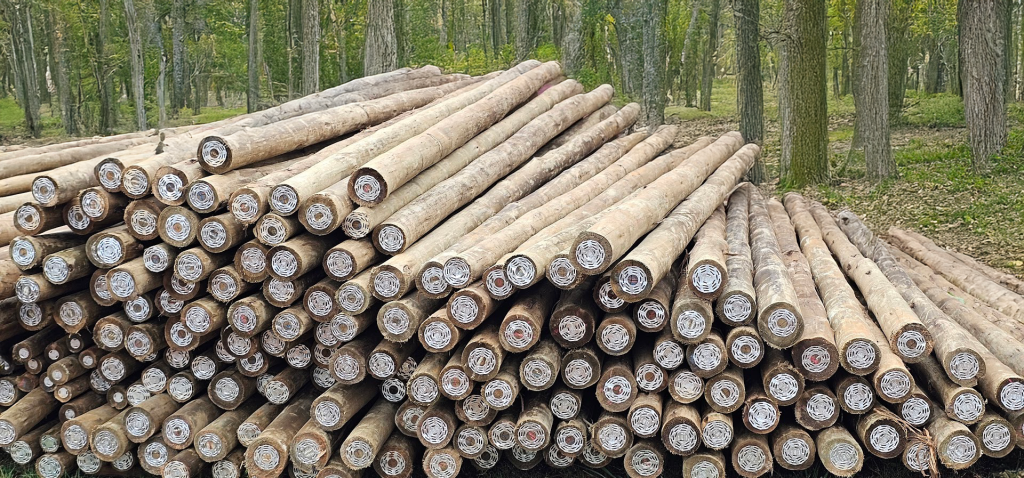
The Treatment Of Gum Poles.
First, gum poles that will be planted in the ground should ALWAYS be treated. There are various preservative treatments in the market; however, we recommend CCA-treated gum poles. This treatment protects the gum poles from rot, insects, and moisture damage. This extends their life from just a few years to 15–20 years or more. Here is a summary for CCA-treated gum poles.
Understanding CCA Treatment
CCA stands for Chromated Copper Arsenic. It’s a treatment that penetrates deep into the wood to prevent fungus, termites, and rot.
- Copper protects against fungi.
- Chromium helps bind the chemicals into the wood.
- Arsenic provides resistance against insects and termites.
Hazard Class H3 and H4 Explained
Poles and timber are treated according to different hazard classes depending on the type of environments they will be exposed to. In this case, our gum poles are treated to these two hazard classes:
- H3 treatment for Droppers: Suitable for wood above ground but exposed to weather.
- H4 treatment for Building and Fencing Poles: Essential for poles that are installed in-ground.
Gum Pole Sizes for Different Types of Fences
Before choosing the correct pole size, you first need to understand what the fence is meant to do. Is it simply for security, or must it contain or keep out large animals? Once you’re clear on the purpose, you can confidently move on to selecting the right size.
To give you a better idea, we’ve put together a few examples showing which gum pole sizes work best for different types of fences. Here are three main examples:
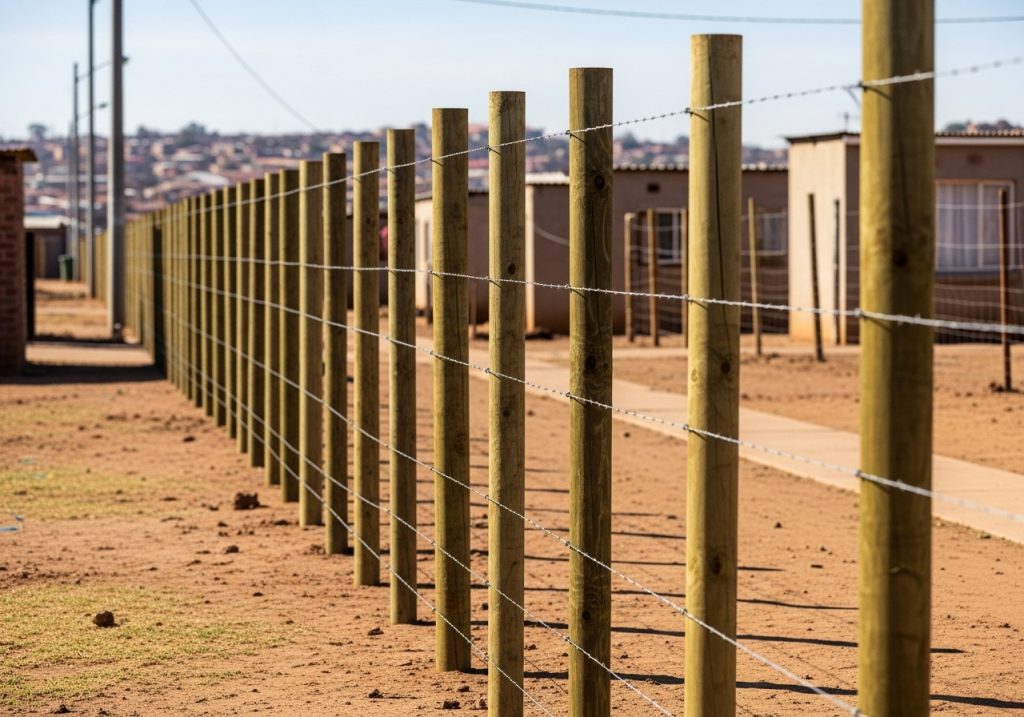
1. Fences for Security in Living Environments:
The gum poles play a structural and protective role here. They serve as the main structural support for the entire fence. They keep the fence upright, stable, and strong enough to resist wind, pressure, and attempts to push or pull it over. Common sizes used for this type of fencing are:
- Standard posts: 2.4m (75mm – 99mm): Strong enough for lighter-duty residential fences without being oversized.
- Corner posts: 2.4m (125mm – 149mm): Corners handle the most tension, so thicker poles keep the structure stable.
- Droppers: Usually not necessary: Urban fences don’t need extra reinforcement as there’s little pressure from animals.
These fences are about marking property boundaries or privacy, not containing livestock. Smaller poles are practical and cost-effective.
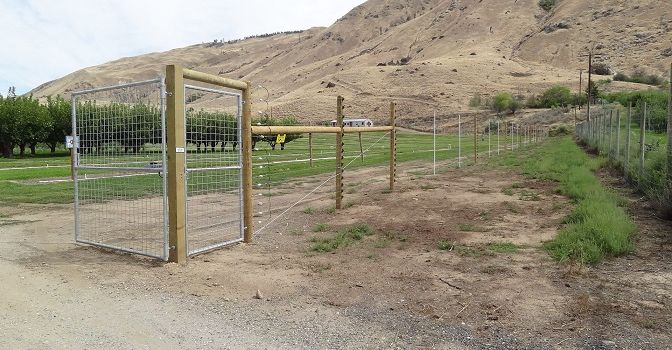
2. Game Fences: Recommended Gum Pole Sizes
The gum poles have a heavier-duty structural role because the fence must withstand pressure from large animals. In other words, they need to provide the strength and stability needed to keep wildlife in or out, supporting high-tension wires and resisting force from animals that may lean, push, or run against the fence. Common sizes used for this type of fencing are:
Standard posts: 3.6m (100mm – 124mm): Longer poles provide enough depth for tall fences that can withstand wildlife pushing against them.
- Corner posts: 3.6m (150mm – 174mm): Larger animals can put immense pressure on corners. Thick poles keep them upright.
- Droppers: 3m droppers used. Droppers spread pressure evenly and prevent wires from sagging.
Game fences must be tough enough to contain powerful wildlife like antelope or kudu. Bigger poles provide the strength and stability required.
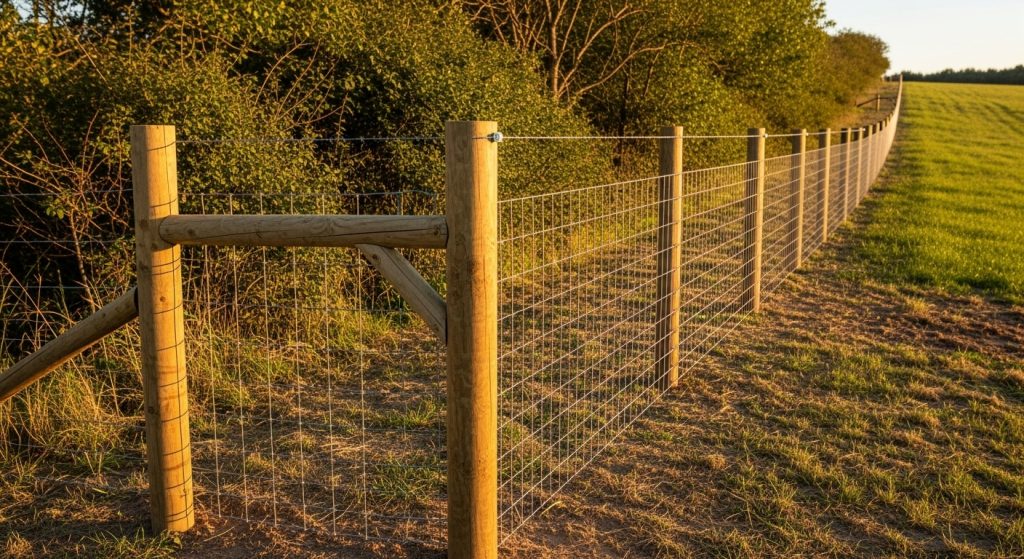
3. Farm Fences: Recommended Gum Pole Sizes
The gum poles should provide everyday structural support for managing livestock and securing property boundaries. Thus, they should support the wire or mesh used to keep livestock contained, maintain property lines, and create durable, low-maintenance fencing for general agricultural use. Common sizes used for this type of fencing are:
- Standard posts: 2.1m (75mm – 99mm): Ideal for general farm fencing that doesn’t face extreme pressure.
- Corner posts & stays: 2.4m (100mm – 124mm): Slightly thicker to handle the extra pull from strung wires.
- Droppers: 1.5m droppers: Ensure wires stay evenly spaced and effective for controlling livestock.
Farm fences must balance durability with practicality. Using the correct pole sizes helps manage livestock without unnecessary costs.

How to Properly Plant a Treated Wooden Gum Pole
When working with preservative-treated gum poles, correct planting is essential for long-term durability. The South African Wood Preservers Association (SAWPA) offers clear guidance on how to do this right.
1. Use the Correct End
Gum poles should be planted using the uncut end, not a freshly cut or cross-cut end. This helps preserve the protective treatment in the wood. If you need to cut the pole, be sure to apply a remedial preservative to the exposed surface.
2. Allow for Drainage
Wood is naturally porous, and treated gum poles can absorb moisture from the ground. To prevent water from pooling inside the pole and causing rot, SAWPA recommends planting in a way that supports proper drainage.
This means avoiding planting in a “cup” shape or sealing the gum pole so that water gets trapped.
3. Avoid Embedding Untreated Heartwood
If you cross-cut a treated gum pole, the exposed heartwood may not have sufficient preservative coverage. Installing such a cut end directly into the ground can expose the untreated wood to fungal decay or termite damage.
To avoid this risk, always buy poles at the correct length, so you can plant without creating exposed, untreated sections.
4. Get Engineering Input (When Needed)
For structural applications (e.g., foundational poles or load-bearing supports), SAWPA advises consulting a structural engineer. This ensures that the embedded depth, soil conditions, and load requirements are all properly accounted for.
By following these steps, you protect your investment, extend the lifespan of your poles, and reduce the risk of early failure. Correctly planted treated timber lasts much longer because it stays dry inside and is shielded from decay and pests. For more information, please refer to SAWPA’s Website.
Choose Gum Poles Over Other Materials?
- Durability and Strength: Gum poles treated to H4 are built to last up to 20 years.
- Low Maintenance Requirements: No painting, staining, or sealing is needed.
- Resistant to Rust and Theft: Unlike steel, gum poles don’t rust. And unlike metal, they have no resale value as scrap.
- Cost-Effective and Long-Lasting: The upfront investment pays off over decades of use.
The success of any fence hinges on selecting the right materials. Treated gum pole sizes for fences are carefully selected for urban, farm, and game applications because they offer the perfect mix of strength, durability, and cost-effectiveness.
From CCA treatment to proper firebreaks, every detail plays a role in ensuring your fence lasts decades. So whether you’re securing livestock, protecting crops, or marking boundaries, remember this simple truth: good fences really do make good neighbours.
Need more info or even a quote on our timber flooring products? Get in touch with Danie. We’re here to help you make the best timber choices for your project. Call/Whatsapp: 072 838 2838 or email: sales@sabietimber.co.za. We are always here to assist.
FAQs
1. What is the best gum pole size for urban fences?
2.4m poles (75mm – 99mm) are ideal, with larger 125mm – 149mm poles for corners.
2. How long do treated gum poles last?
On average, 15–20 years with proper treatment and fire safety practices.
3. What does H3 and H4 mean in CCA treatment?
H3 is for above-ground use, H4 for in-ground use. Posts should always be H4.
4. Do I need droppers for all fences?
Not for urban fences, but farm and game fences benefit greatly from droppers.
5. Are gum poles environmentally friendly?
Yes. Eucalyptus is renewable, and longer-lasting poles reduce waste.

