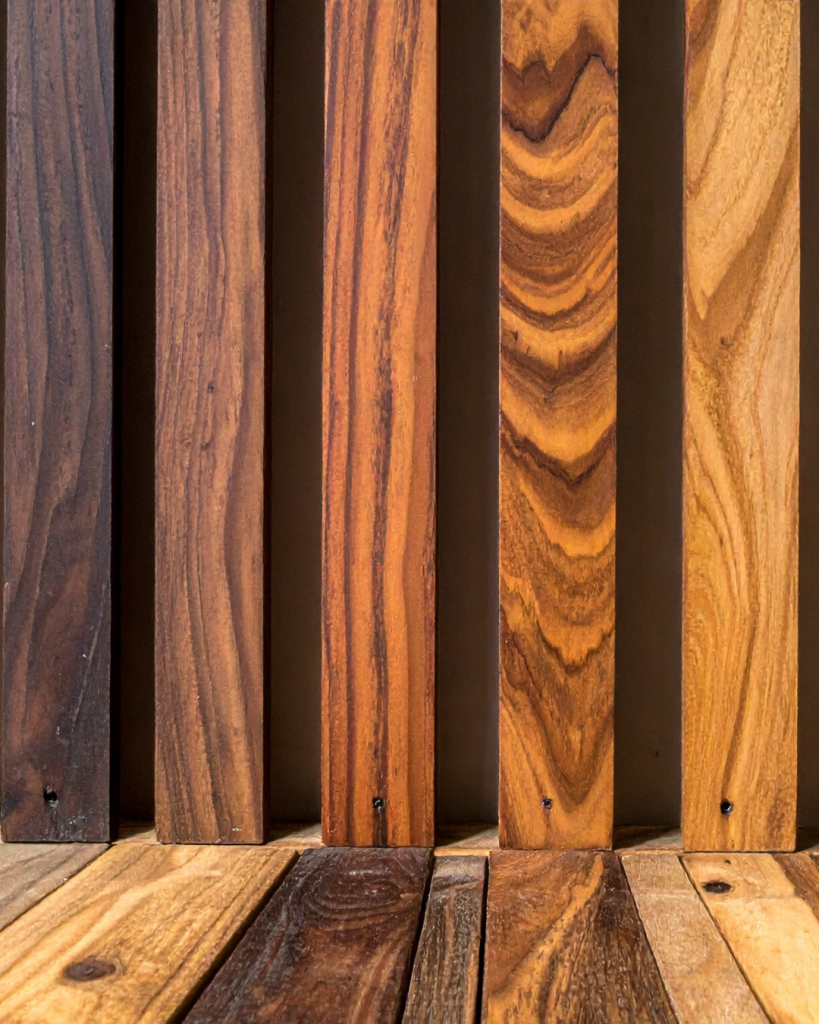
The treatment process used for CCA pressure-treated timber is widely regarded as one of the most effective methods available today. The chemicals are driven deep into the wood, protecting not just the surface but also the inner layers (sapwood). This treatment only needs to be done once in a lifetime, and the chemicals remain fixed in the wood.
Due to the treatment, the durability of the wood is enhanced. But, it doesn’t mean that. If the wood is treated, it affects the way the wood handles most finishes. In this blog, we will discuss the best recommended finishes for CCA pressure-treated wood.
Types Of Treatment Methods
There are many different types of surface treatments available; however, we will only discuss 2 types, namely pressure treatment and surface treatment:
Pressure (Deep Penetration) Treatment
As mentioned above, pressure treatment is widely regarded as the most effective method available. Timber is placed inside a sealed cylinder, where air is removed, and preservative chemicals are forced deep into the wood under pressure.
This process ensures that the sapwood is thoroughly impregnated, providing long-term protection against fungi, insects, and moisture-related decay. Because of this deep penetration, pressure-treated timber is suitable for structural and outdoor applications where durability is critical.
Common preservatives used in South Africa include CCA (Chromated Copper Arsenate) and newer copper-based alternatives such as Tanalith E. To read more about the CCA timber treatment process, click here.
Surface Timber Treatments
Surface treatments are applied by brushing, spraying, or rolling products onto the timber. These include sealers, oils, varnishes, and paints.
Unlike pressure treatment, these products do not penetrate deeply into the wood. Instead, they form a protective layer on the surface, helping to reduce moisture absorption and protect against UV exposure.
While essential for maintaining appearance and extending lifespan, surface treatments should be seen as a complementary layer of protection, not a replacement for proper preservative treatment, especially in exterior applications.

Best Recommended Finishes For CCA Pressure Treated Wood
Whether you aim to revitalize your living room, add elegance to your furniture, or protect your deck from the elements, selecting the appropriate paint or stain is vital.
Wood Paint for CCA Pressure Treated Wood
When it comes to applying paint, you have the flexibility to choose between a brush, roller, or sprayer. However, before embarking on the painting process, it is crucial to ensure that the wood is completely dry on the surface and internally.
This step is vital for achieving a successful and long-lasting paint job.
For optimal results, it is recommended to use a high-quality, water-based exterior latex paint specifically designed for pressure-treated wood. This type of paint possesses properties that make it ideal for outdoor applications, offering durability and resistance to the elements.
Select a paint product formulated for exterior use to provide additional protection against weathering and UV damage.
Using a suitable primer before applying the topcoat is essential. A high-quality primer creates a strong foundation for the paint to bond effectively with the wood surface.
Fortunately, products in the market combine both the paint and primer, such as “PrimeX,” which can be found at any BUCO store.

Wood Stain For CCA Pressure Treated Wood
Wood stain is a finish that enhances the natural beauty of wood while allowing its grain and texture to shine through. Unlike paint, wood stain penetrates into the wood fibers instead of forming a film on the surface. It usually consists of pigments or dyes dissolved in a solvent, such as water or oil.
Wood stain also comes in a variety of colors, ranging from transparent to semi-transparent and even opaque. Transparent stains subtly alter the wood’s color while maintaining its natural appearance, while semi-transparent and opaque stains provide more extensive color coverage.
Staining Techniques for CCA Pressure Treated Wood
By choosing an organic solvent-based wood stain, you can enjoy several advantages. These stains offer better penetration into the wood, resulting in a more durable and long-lasting finish. The organic solvents in the stain facilitate deep seepage into the wood fibers, enhancing its resistance to wear and tear.
Moreover, organic solvent-based stains provide excellent protection against UV rays, which can cause wood to fade and deteriorate over time. The high-quality ingredients in these stains act as a barrier, shielding the wood from harmful sun exposure and preventing discoloration.
In terms of maintenance, organic solvent-based stains generally require less upkeep compared to solid stains. They weather more gracefully and retain their appearance for a longer period, reducing the need for frequent reapplication or extensive touch-ups.
For this specific application, we highly recommend using “Timberlife” products. These stains and tints from Timberlife are fully compatible with all CCA pressure-treated wood. At Sabie Poles, we offer a wide range of “Timberlife” stains and tints to cater to your specific needs.

Conclusion
CCA pressure-treated wood, protected against decay and insects through chemical treatment, can be transformed through painting or staining. However, it is crucial to ensure that the wood is completely dry before proceeding with the coatings.
To determine if the wood is dry enough, you can conduct a “sprinkle test.” Sprinkle a small amount of water on the wood surface, and if it is absorbed within 10 minutes, it indicates that the wood is ready for staining. If the water beads or pools on the surface, the wood requires more time to dry.
Remember, selecting the right paint or stain and employing the proper techniques are vital for achieving exceptional results.
Interested in a quote for treated poles or timber? Get in touch with Danie. We’re here to help you make the best timber choices for your project. Call/Whatsapp: 072 838 2838 or email: sales@sabietimber.co.za. We are always here to assist. We export to all SADC countries and internationally. You can also view or download our product catalogue for construction timber.